It’s not just about vitamins: Healthy foods should focus on fiber, minerals, antioxidants, amino acids and various phytonutrients
03/09/2026 / By Lance D Johnson
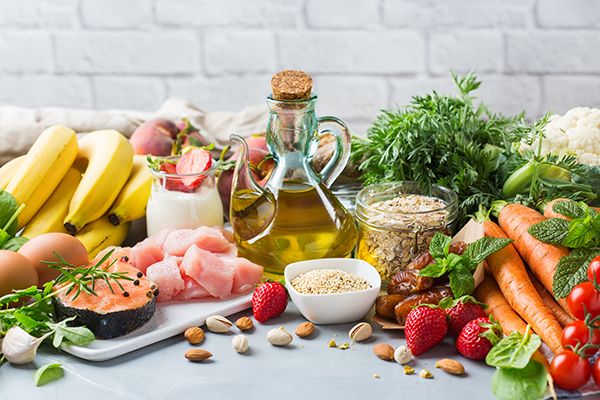
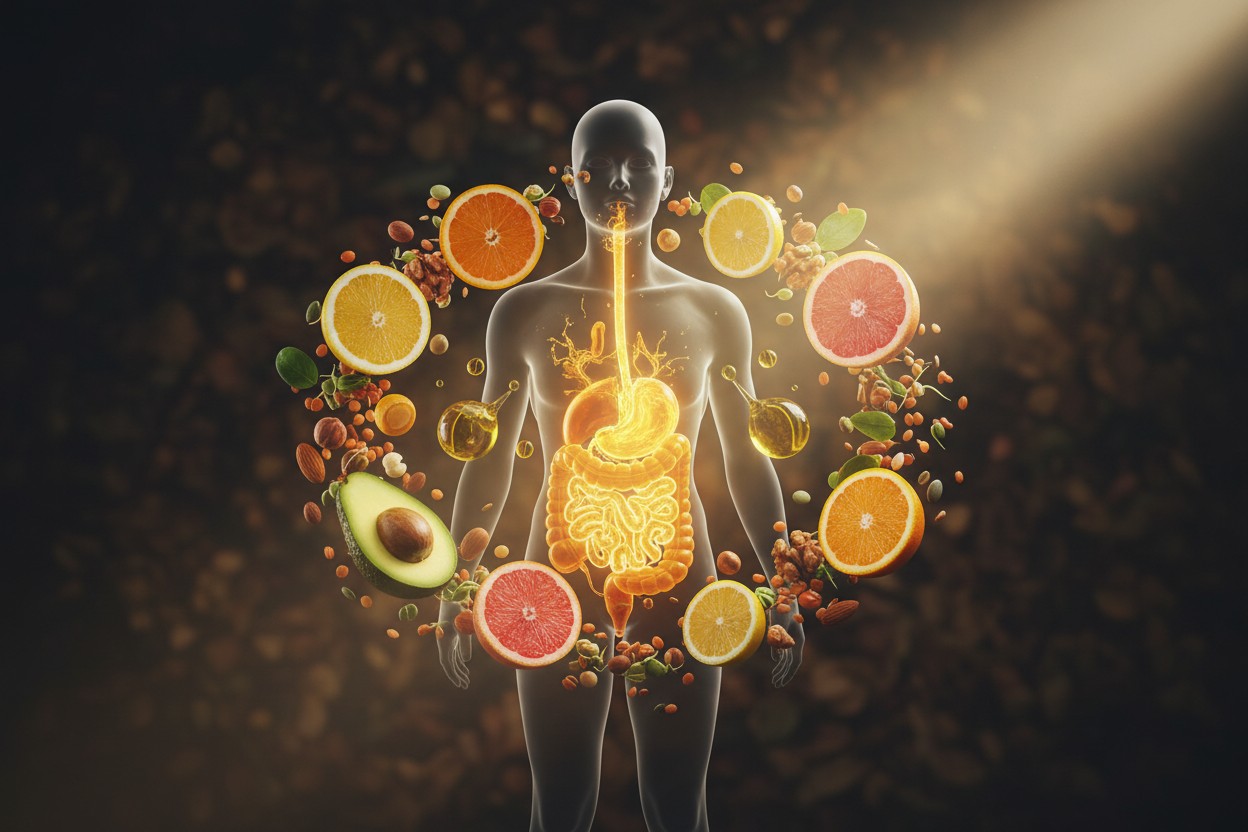
For decades, the conversation around healthy eating has orbited familiar planets: calories, fat grams, and protein counts. While these metrics hold value, a more nuanced and powerful story unfolds at the molecular level within our food. Beyond the basic building blocks of nutrition lies a complex ecosystem of compounds—phytonutrients, amino acids, essential minerals, and potent antioxidants—that act as the body’s internal maintenance crew, defense system, and communication network. These elements, abundant in a diverse array of whole foods, do not just prevent deficiency; they actively promote resilience, combat cellular wear and tear, and fine-tune bodily functions in ways science is only beginning to fully appreciate. The path to optimal health is less about restrictive dieting and more about strategic inclusion, building meals from a palette of foods each offering a unique suite of prebiotic fibers, minerals, antioxidants, amino acids, and various phytonutrients.
Key points:
- A truly healthy diet is defined by the diversity of beneficial compounds it provides, not by the exclusion of single nutrients.
- Phytonutrients, the compounds that give plants their colors and flavors, are key players in reducing inflammation and protecting against cellular damage.
- Essential minerals like selenium and magnesium, often overlooked, are critical for functions ranging from thyroid health to nerve transmission.
- Antioxidants from fruits, vegetables, and even spices form a crucial defense system against oxidative stress, a contributor to aging and disease.
- A focus on whole foods across all categories—legumes, grains, fruits, vegetables, and seeds—ensures a broad intake of these health-forging components.
Phytonutrient profile is just as important as vitamins
The vibrant red of a tomato, the deep purple of a plum, and the bright orange of a carrot are not mere aesthetics; they are visual cues to a food’s phytonutrient profile. Lycopene in tomatoes, anthocyanins in plums, and beta-carotene in carrots are powerful antioxidants. These substances neutralize free radicals, unstable molecules that can damage cells over time. This cellular defense is linked to reduced risks of chronic illnesses. Similarly, the sulfur-containing compounds in garlic and onions, or the digestive enzymes in pineapple and papaya, showcase how plants produce specific agents that directly support human biological functions. Historical dietary patterns rich in varied plant foods provided a constant, low-dose infusion of these protective elements, a stark contrast to modern, often monotonous, diets heavy in processed ingredients.
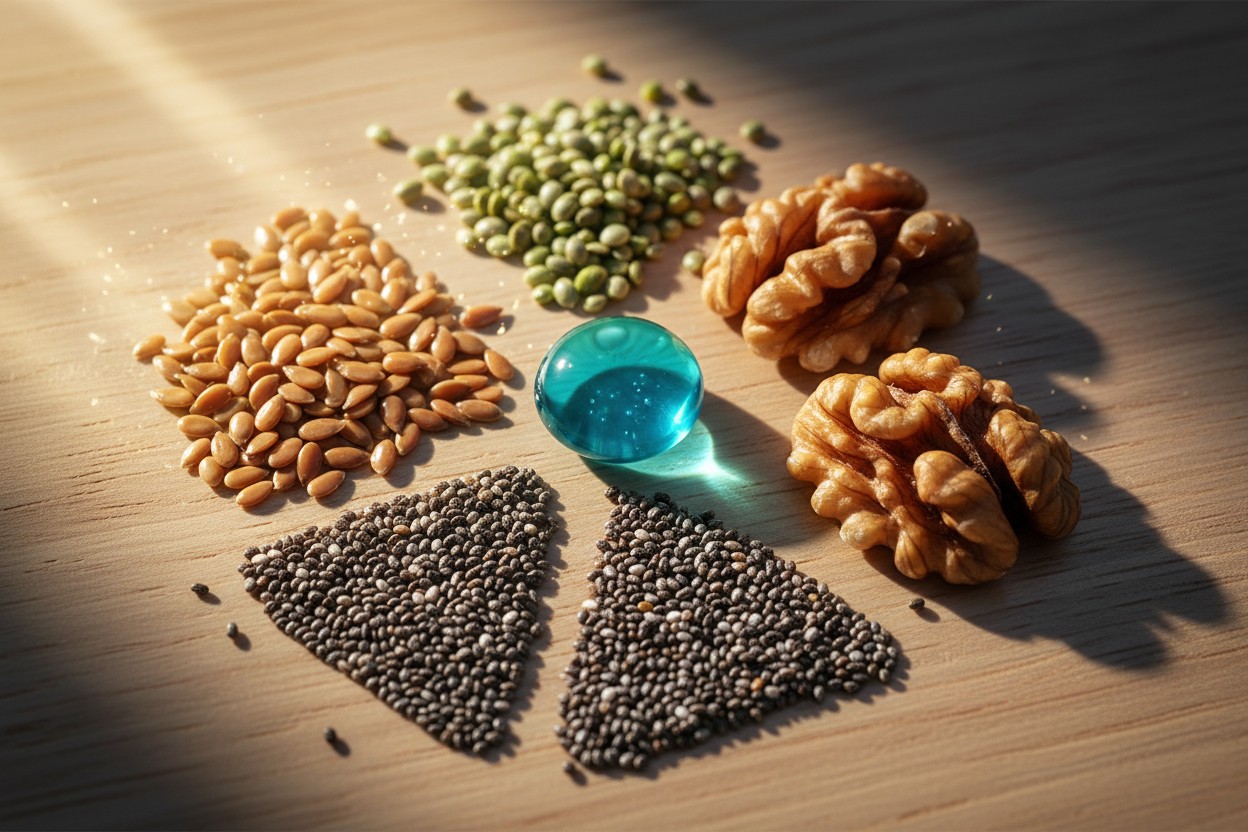
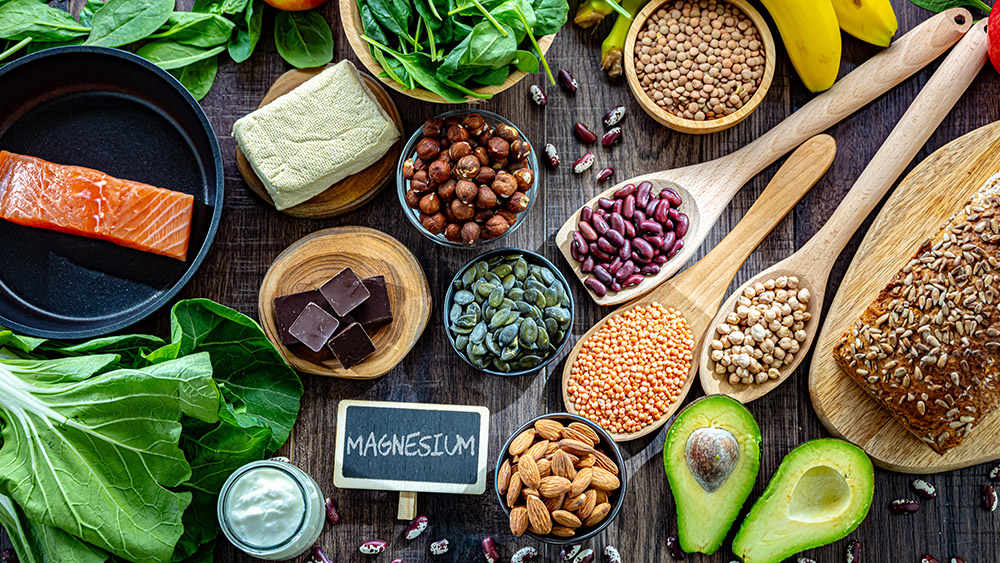
Minerals form the unsung infrastructure of the body. Elements like selenium, found abundantly in Brazil nuts, is not just a nutrient; it is a cornerstone of thyroid hormone metabolism and a component of the body’s own antioxidant enzymes. Magnesium, prevalent in foods like black sesame seeds, oats, and bananas, participates in over three hundred biochemical reactions, including muscle function, nerve signaling, and blood glucose control. A deficiency in these trace minerals can disrupt fundamental processes long before more obvious symptoms appear. The historical shift from whole, locally grown foods to refined products has, in some cases, led to a dilution of these vital minerals in the standard diet, making conscious inclusion of seeds, nuts, and whole grains more important than ever.
Amino acids and fiber are as important as protein
The protein conversation often centers on meat, but the world of legumes offers a masterclass in plant-based strength building paired with digestive support. Lentils, black beans, chickpeas, and soybeans are rich in specific amino acids, the building blocks of protein necessary for muscle repair and enzyme creation. More than that, they are packed with soluble and insoluble fiber. This fiber acts as a prebiotic, feeding the beneficial bacteria in the gut, which in turn supports immune function and overall digestive health. The combination of protein and fiber creates a sustained energy release, stabilizing blood sugar levels and promoting satiety. For generations, cultures worldwide have relied on legumes as affordable, shelf-stable nutritional powerhouses, a tradition backed by contemporary nutritional science.
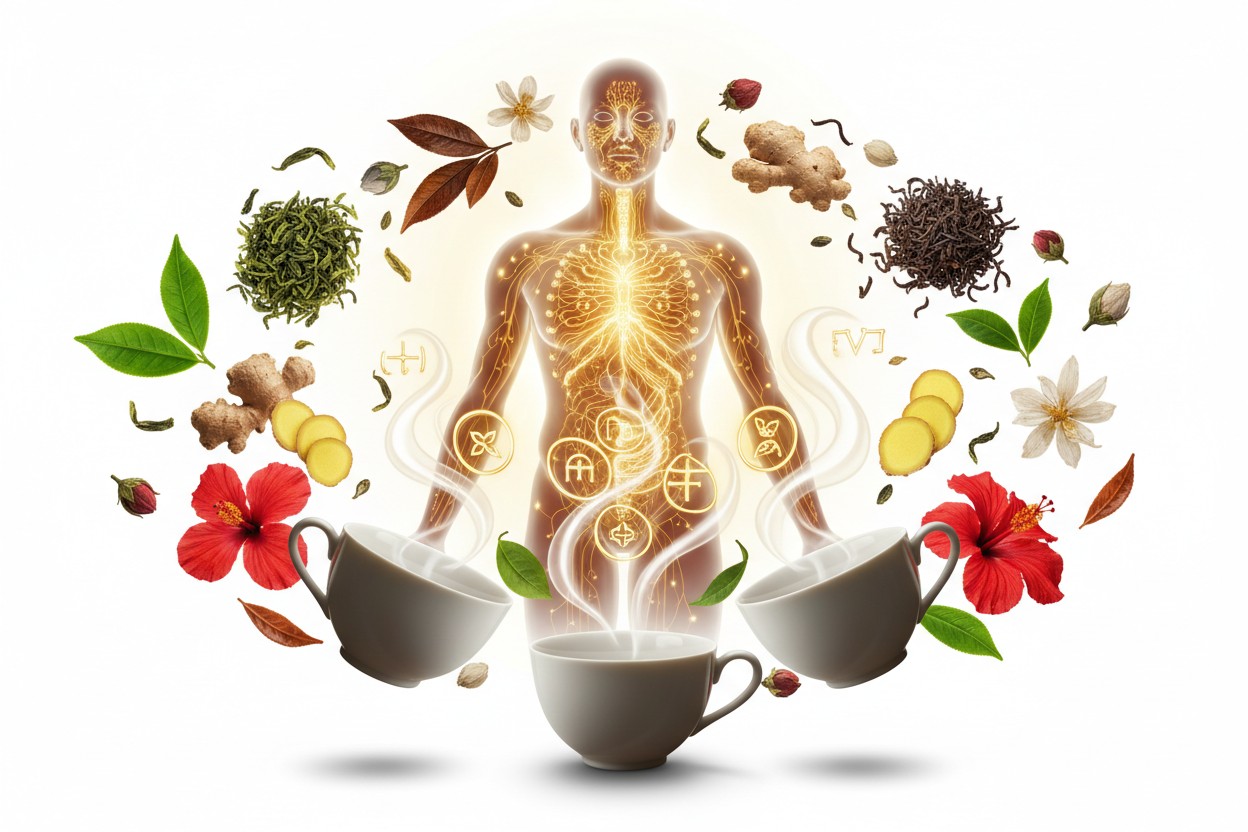
Even common herbs and spices hold a potent, concentrated form of these beneficial compounds. Ginger, cinnamon, and cloves are not merely flavor enhancers. They are dense sources of antioxidants and possess compounds with anti-inflammatory properties. Ginger, for instance, has been used for centuries across various medicinal traditions to aid digestion and reduce nausea. Incorporating these spices into daily cooking is an effortless way to boost the phytonutrient density of a meal without adding significant calories. They represent a reminder that nutritional power exists not only in the main components of a meal but in the accents and seasonings that bring it to life.
Ultimately, constructing a health-supportive diet is an exercise in diversity and color. It involves choosing the robust fiber and beta-glucans in oats for heart health, the vitamin C and digestive enzymes in papaya for immune and gut support, and the healthy fats and fiber in avocado for nutrient absorption and satiety. It recognizes that the catechins in green tea, the curcumin in turmeric, and the resveratrol in grapes all contribute unique protective effects.
No single food holds the key. Instead, the synergistic interaction of these myriad compounds, drawn from a wide array of fruits like mangoes and kiwis, vegetables like kale and pumpkin, grains like brown rice and barley, and seeds like chia and flax, builds a formidable internal fortress. This approach moves nutrition from a science of avoidance to one of abundant, strategic inclusion, where every meal becomes an opportunity to nourish the body on a cellular level.
Sources include:
Submit a correction >>
Tagged Under:
anti-inflammatory, antioxidants, balanced diet, cellular health, dietary fiber, digestive health, food diversity, functional foods, healthy eating, heart health, immune support, legumes, micronutrients, minerals, nutrition science, phytonutrients, plant-based, wellness, Whole Foods
This article may contain statements that reflect the opinion of the author
RECENT NEWS & ARTICLES