Adequate daily fiber intake: Non-negotiable cornerstone of digestive health
04/13/2026 / By Ava Grace
- While aligning fiber with the body’s circadian rhythms (e.g., at breakfast) can be supportive, experts stress that achieving the recommended daily fiber intake is the fundamental requirement for digestive health, not finding a precise “magic hour.”
- The modern focus on timing is a minor concern compared to the widespread deficiency in Western diets, which leads to slow transit times, low stool weight and increased disease risk, unlike traditional high-fiber diets.
- Insoluble fiber (e.g., from vegetables, bran) adds bulk to speed transit, while soluble fiber (e.g., from oats, beans) forms a gel to soften stool. Both are important for normalizing bowel movements and overall health.
- Fiber must be added slowly over weeks, accompanied by ample hydration and physical activity, to allow the gut to adjust and function properly.
- Digestive regularity is built on three pillars: a consistently high daily fiber intake from diverse whole foods, sufficient fluid consumption and regular physical activity to stimulate gut motility.
In an era of quick fixes and overnight solutions, a new wave of dietary advice promises a predictable digestive schedule simply by timing your fiber intake. The claim is alluring: eat fiber at a specific time to ensure a bowel movement the next day. But behind this modern wellness tip lies a complex, century-long public health story about the Western diet’s failure and the fundamental, often misunderstood, role of dietary fiber. Experts agree that while strategic timing can support the body’s natural rhythms, the relentless pursuit of a singular “best time” overlooks the profound, evidence-backed truth: consistent, adequate fiber intake is the non-negotiable cornerstone of digestive health, a lesson starkly illustrated by global dietary patterns and their consequences.
The historical stool of progress
To understand why this timing discussion matters, one must look at the stark divergence in global digestive health over the last century. Populations consuming traditional, plant-rich diets high in fiber, particularly water-insoluble types like cellulose, have long exhibited rapid intestinal transit times—often around 30 hours—and robust daily stool weights exceeding 500 grams. In contrast, the modern Western diet, characterized by processed foods and meager fiber intake, has led to a digestive slowdown. Thus, the current conversation about “when to eat fiber” is a privileged offshoot of a much graver crisis: a widespread dietary deficiency with serious long-term implications.
Circadian rhythm and the morning advantage
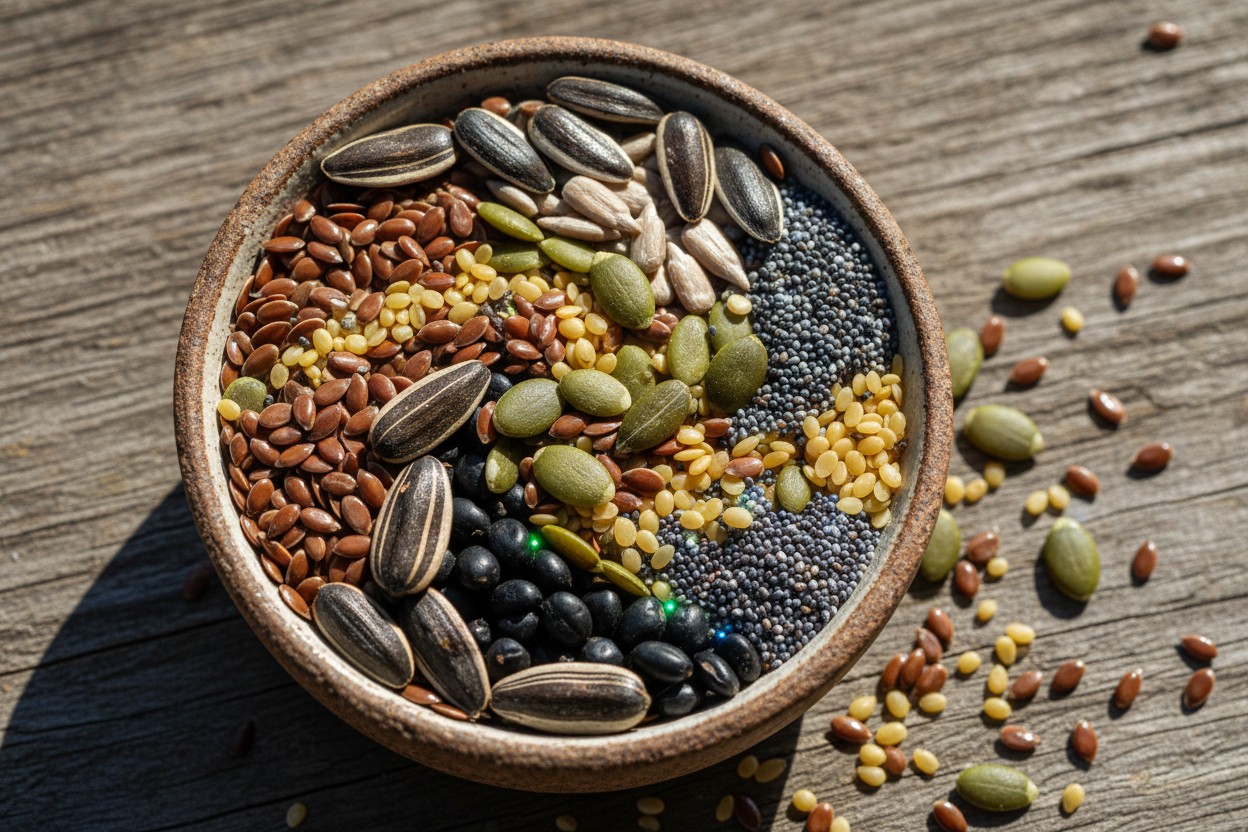
The human colon operates on a circadian rhythm, with muscular activity notably increasing upon waking. This biological pattern suggests a logical advantage to introducing fiber at breakfast. By aligning fiber consumption with this natural peak in colonic activity, individuals may more effectively support the body’s inherent schedule for elimination. Starting the day with high-fiber foods like berries in oatmeal, whole-grain toast, or chia seeds in a smoothie can leverage this rhythm. More pragmatically, front-loading fiber at breakfast makes it easier to achieve the daily recommended intake of 21 to 38 grams, a target most Americans, averaging a mere 16 grams, consistently miss.
Despite the intuitive appeal of morning fiber, registered dietitians and gastroenterologists uniformly caution against overstating timing’s role. There is no precise “magic hour” for consumption that guarantees next-day results. The digestive process is highly individual, with an average gut transit time of roughly 28 hours that can vary widely. For someone beginning from a chronically low-fiber baseline, meaningful improvement in regularity may take several weeks of consistent effort, not one strategically timed meal. The core principle is consistency and daily adequacy, not chronometric precision.
Soluble vs. insoluble: The internal mechanics
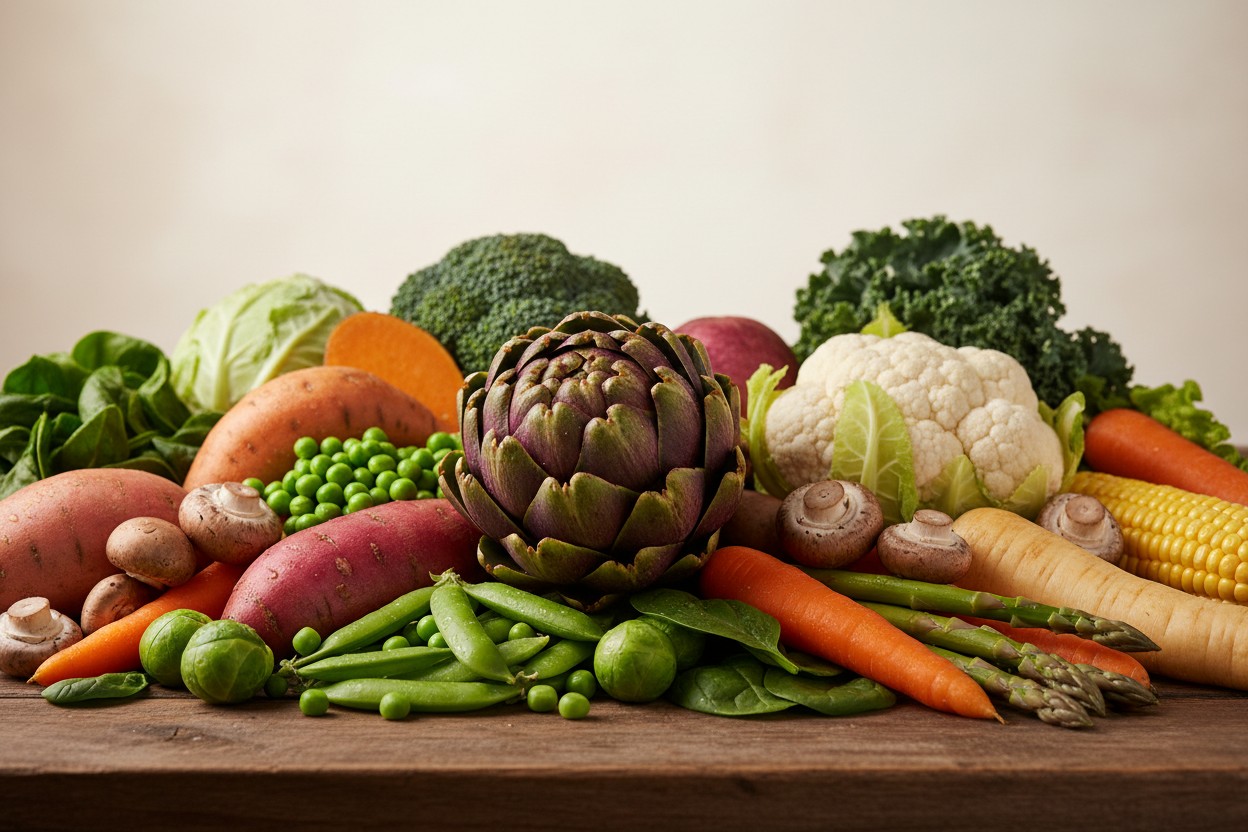
Insoluble fiber, found in whole wheat, vegetables and bran, acts like a broom. It adds bulk and weight to stool, accelerating its passage through the digestive tract. Soluble fiber, present in oats, nuts, beans and most fruits, works differently. It absorbs water to form a gel, which softens stool and can help manage diarrhea by normalizing consistency. For those seeking relief from constipation, a focus on insoluble fiber is often emphasized, but a balanced intake of both is ideal for overall digestive function and broader health benefits like cholesterol management.
Strategic evening consumption
For individuals whose bodies naturally urge a morning bowel movement, incorporating fiber at dinner can be a supportive tactic. Foods like lentils, brown rice, roasted broccoli, apples with skin, or a handful of almonds added to the evening meal provide the necessary bulk. Notably, research highlights the kiwi fruit as a potent natural agent; consuming two kiwis daily has been shown to significantly improve bowel movement frequency and stool consistency. The evening strategy is not about a drastic change but about thoughtful “layering,” such as adding half an avocado to a meal for an extra seven grams of fiber.
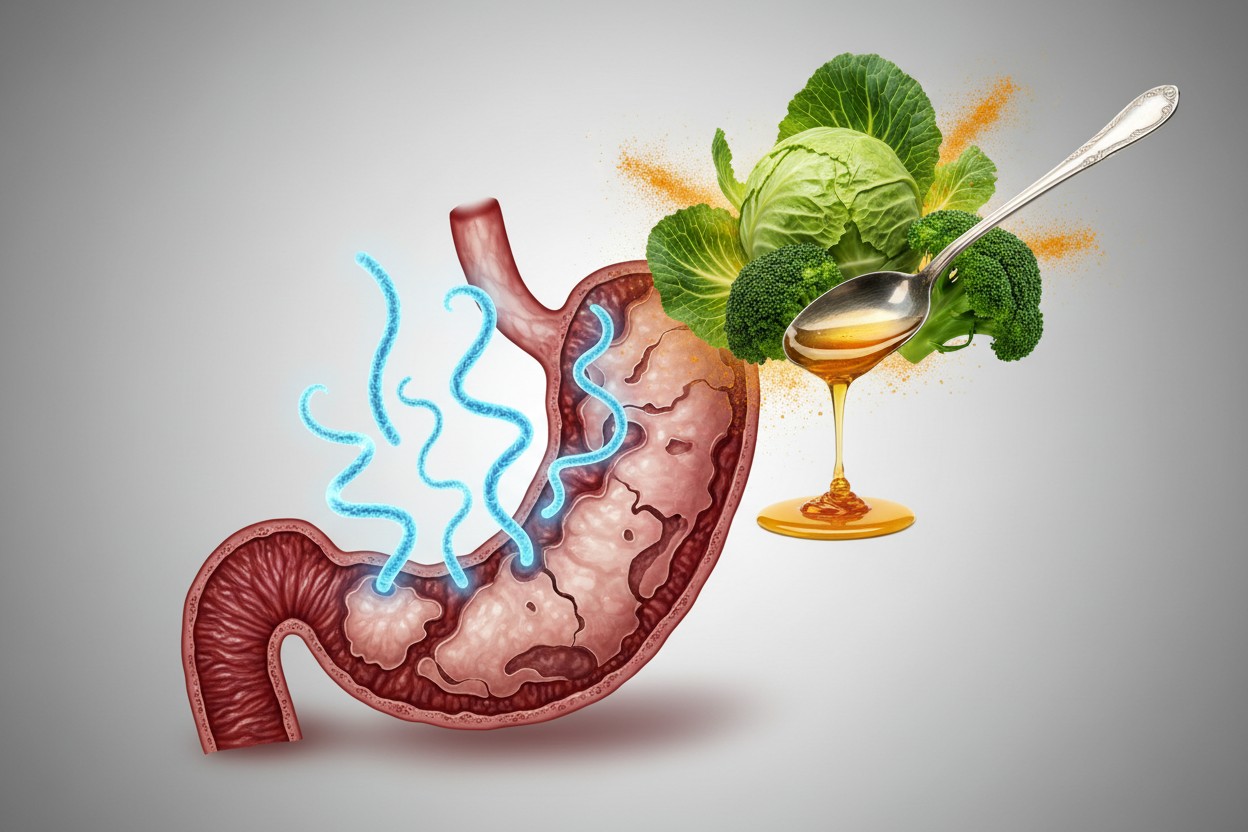
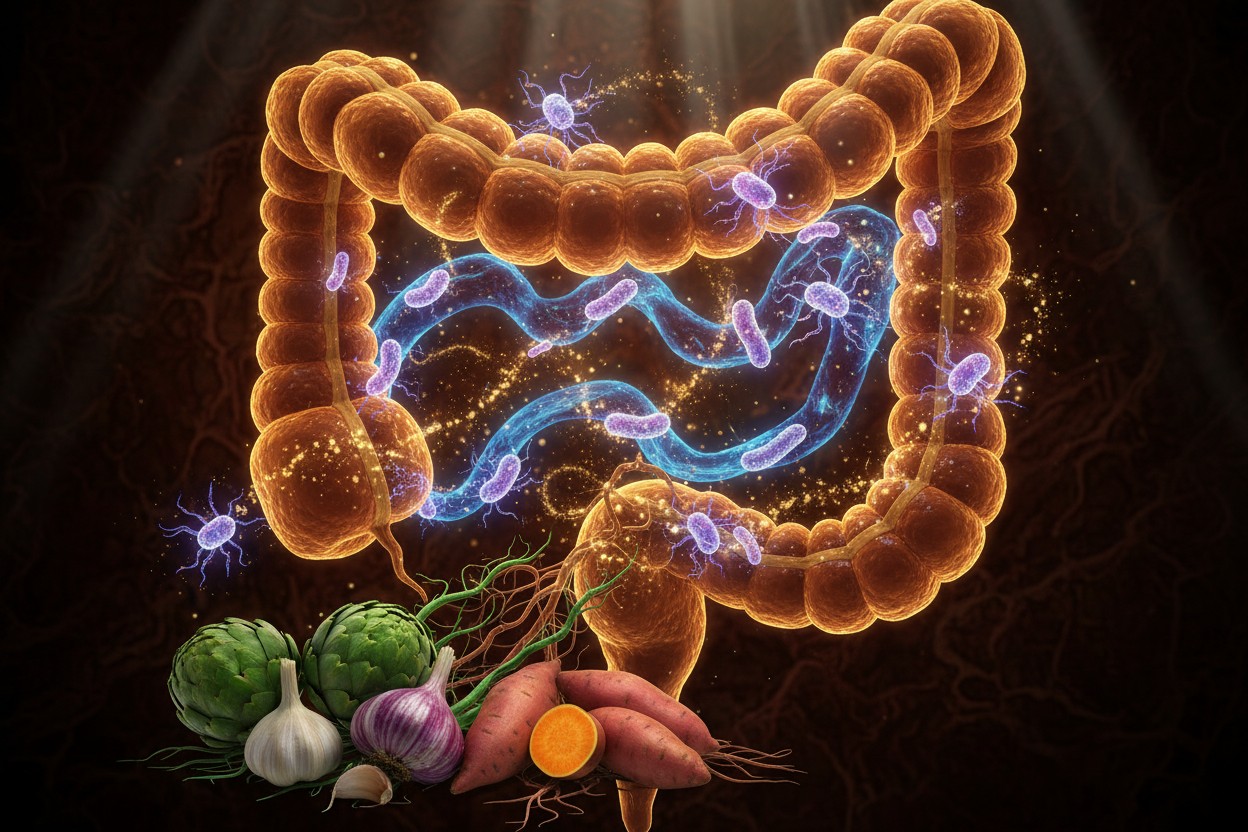
A sudden, aggressive increase in fiber intake is a common misstep that can exacerbate discomfort, causing gas, bloating and abdominal cramps. Fiber must be introduced gradually over weeks to allow the gut’s bacterial ecosystem to adjust. Adequate hydration is essential; without it, fiber can harden in the gut, creating an obstruction rather than relieving one. Physical inactivity also contributes to sluggish digestion, as movement helps stimulate the intestinal muscles.
The non-negotiable foundations
The expert consensus is clear: timing is a secondary optimization tool. The primary pillars are unchanging. First, achieve a consistently high daily fiber intake through diverse whole foods. Second, drink ample fluids—around eight glasses daily—to allow fiber to function properly. Third, incorporate regular physical activity to stimulate gut motility. These are the proven, non-negotiable foundations of digestive regularity that have been validated by decades of nutritional epidemiology contrasting high-fiber and low-fiber societies.
“Daily fiber intake is the amount of dietary fiber, a crucial nutrient found in plant foods, that a person consumes each day,” said BrightU.AI‘s Enoch. “It is essential for maintaining digestive health, regulating blood sugar levels and supporting heart health. Meeting the recommended daily intake, typically 25-38 grams for adults, is a key component of a balanced daily diet.”
The quest for the perfect time to eat fiber reveals a society searching for simple answers to a complex problem born of dietary decline. Ultimately, the “best time” to eat high-fiber foods is consistently, daily and in adequate amounts—a timeless practice far more impactful than any clock-watching trend.
Watch and discover the important facts about fiber in your diet.
This video is from the Health Tips channel on Brighteon.com.
Sources include:
Submit a correction >>
Tagged Under:
alternative medicine, breakfast, cholesterol management, constipation, Cures, digestion, digestive health, fiber-rich food, food cures, grocery cures, healthy food, Insoluble fiber, natural health, natural medicine, nutrients, prevention, remedies, research, vegetables, whole wheat
This article may contain statements that reflect the opinion of the author
RECENT NEWS & ARTICLES