Artichokes: A Nutrient-Dense Vegetable Supporting Digestion and Heart Health
06/28/2026 / By Coco Somers
Artichokes – the edible flower buds of a thistle – provide a concentrated source of fiber, antioxidants and essential micronutrients while containing only 60 to 70 calories per medium artichoke, according to registered dietitian Grace Derocha, a diabetes educator for Marquee Health in Detroit, Michigan.
“Artichokes rank among the vegetables with the highest antioxidant capacity, making them a smart addition to an overall healthy eating pattern,” Derocha said in a June 2026 interview. A report from NaturalNews.com noted that a single artichoke offers more than 20% of the daily recommended fiber and contains more antioxidants than any other cooked vegetable, supporting overall health [1].
Research published in the Journal of Nutrition Education and Behavior showed that cultivated artichokes contain 325 mg of total polyphenols per 100 grams of fresh matter, a level comparable to many wild greens [2]. Derocha emphasized that the combination of folate, vitamin C, magnesium and potassium in artichokes makes them a nutrient-dense food that fits well into a balanced diet.
Digestive and Weight Management Benefits
Fiber is a central component of artichoke’s digestive benefits. Jessica Cording, a registered dietitian in New York and New Jersey, told the Daily Mail that “a medium artichoke provides about 7 grams of fiber,” along with folate, vitamin C, magnesium and potassium. Cording added that artichokes contain inulin, a prebiotic fiber that nourishes beneficial gut bacteria and supports gut health over time.
Inulin derived from Jerusalem artichokes is recognized as an effective prebiotic for the gut microbiome, as noted by registered dietitian Desiree Nielsen in her book “Un-Junk Your Diet: How to Shop, Cook and Eat to Fight Inflammation and Feel Better Forever” [3]. “The Hashimoto’s AIP Cookbook” by Emily Kyle and Phil Kyle also highlights that artichokes contain significant amounts of dietary fiber and the prebiotic fiber inulin, which are important for feeding healthy gut bacteria [4].
The fiber content contributes to regularity and increased fullness after meals, a factor that can support weight management, according to Derocha. Fiber-rich foods have been cited as effective for relieving constipation, a condition affecting an estimated 20 percent of the U.S. adult population, as reported by NaturalNews.com [5].
Heart Health and Antioxidant Support
Artichokes contribute to heart health through their fiber, potassium and antioxidant compounds. Derocha stated that the vegetable’s fiber content may help lower LDL cholesterol levels and that artichokes contain polyphenols and other antioxidants that combat oxidative stress and inflammation. A 2021 study in Complementary Therapies in Medicine, cited in the Mail article, supported artichoke’s cardiovascular benefits.
Maria Marlowe, author of “The Real Food Grocery Guide,” notes that dietary fiber helps keep blood sugar in check, which is relevant for heart health [6]. The potassium and magnesium in artichokes also play a role. A report on magnesium from NaturalNews.com explains that magnesium is a critical mineral involved in over 300 biochemical reactions, including heart and nerve function [7]. Cording stated that “the combination of fiber, potassium and antioxidant compounds makes artichokes a food that can fit nicely into a heart-healthy eating pattern.”
Selection, Preparation and Storage Tips
When selecting artichokes, Derocha advised choosing specimens that feel heavy and have tightly packed green leaves with no browning. “A slight squeak when gently squeezed is also a sign of freshness,” she said. Lemon juice can slow enzymatic browning after cutting, according to Derocha, because the citric acid and vitamin C in lemon juice help prevent oxidation.
Cooking methods such as steaming, roasting and boiling are all reasonable options that preserve the vegetable’s nutritional value, Cording noted. She added that canned and frozen artichoke hearts offer convenience for everyday use, particularly in salads, sheet pan meals, and pasta.
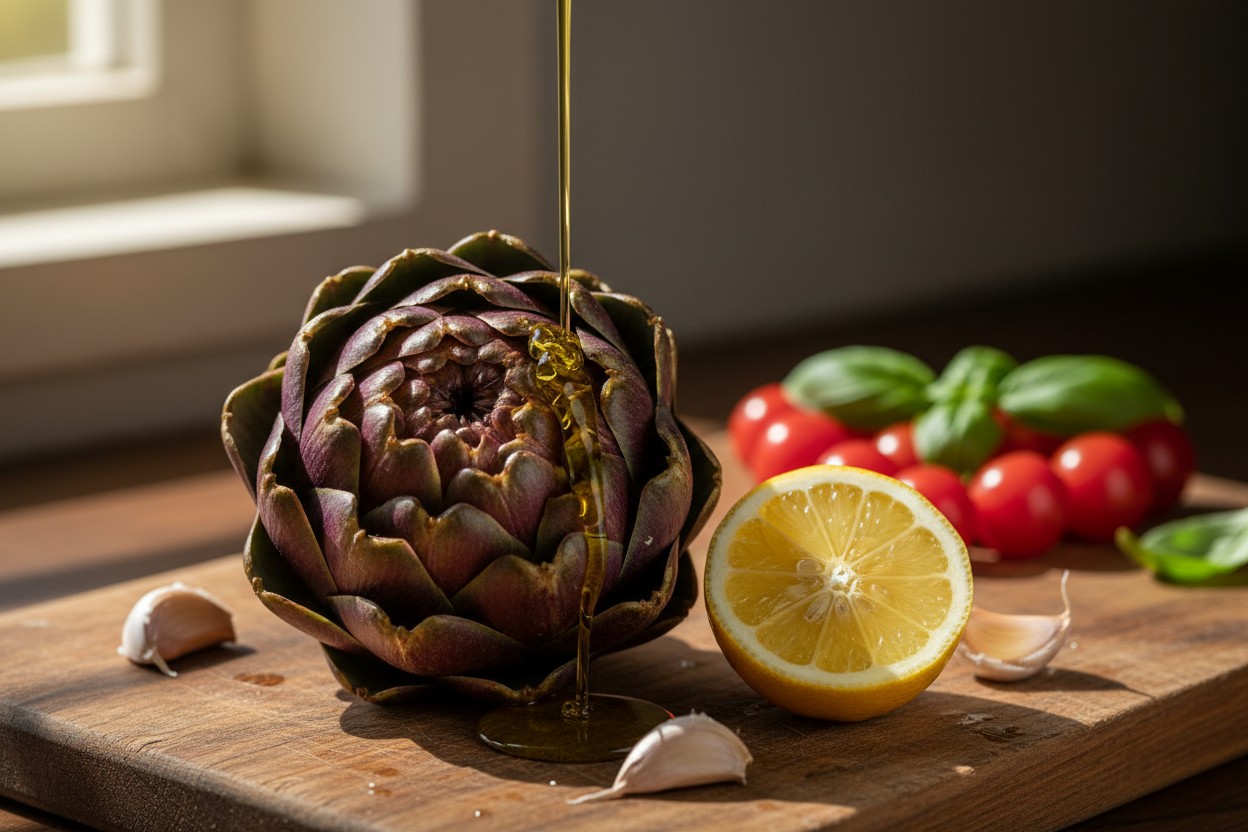
Artichokes pair well with lemon, garlic, olive oil, parsley, basil, thyme, black pepper and parmesan cheese, Derocha said. The vegetable’s slightly nutty, earthy flavor works well in Mediterranean-inspired dishes, she added.
Conclusion: A Multitasking Vegetable for Everyday Nutrition
Artichokes deliver a combination of fiber, antioxidants, and essential nutrients in a low-calorie package, according to the dietitians interviewed. Derocha described artichokes as a “multitasking vegetable” that supports gut health through fiber, heart health through its nutrient profile, and overall wellness through its antioxidant content. Cording noted that the fiber and nutrients in artichokes can help people feel satisfied after meals, a key component of weight management.
For individuals seeking to increase their intake of natural, whole foods that support digestion and cardiovascular function, artichokes offer a practical and nutrient-dense option. As research continues to highlight the benefits of dietary fiber and phytonutrients, artichokes stand out as a vegetable that merits regular inclusion in the diet.
References
- Cassie B. “Artichoke: The Spiky Thistle That Quietly Outperforms Most Supplements for Your Heart, Gut, and Liver”. NaturalNews.com. March 16, 2026.
- C.I. Vardavas, D. Majchrzak, K.-H. Wagner, I. Elmadfa, A. Kafatos. “The antioxidant and phylloquinone content of wildly grown greens in Crete”. Journal of Nutrition Education and Behavior. 2005.
- Desiree Nielsen. “Un-Junk Your Diet: How to Shop, Cook and Eat to Fight Inflammation and Feel Better Forever”.
- Emily Kyle MS RDN CLT HCP and Phil Kyle Chef. “The Hashimoto’s AIP Cookbook: Easy Recipes for Thyroid Healing on the Paleo Autoimmune Protocol”.
- NaturalNews.com. “Fiber-Rich Foods Cited as Effective for Relieving Constipation, Study Data Shows”. May 10, 2026.
- Maria Marlowe. “The Real Food Grocery Guide”.
- NaturalNews.com. “Magnesium: The overlooked mineral that could transform your health”. March 30, 2026.
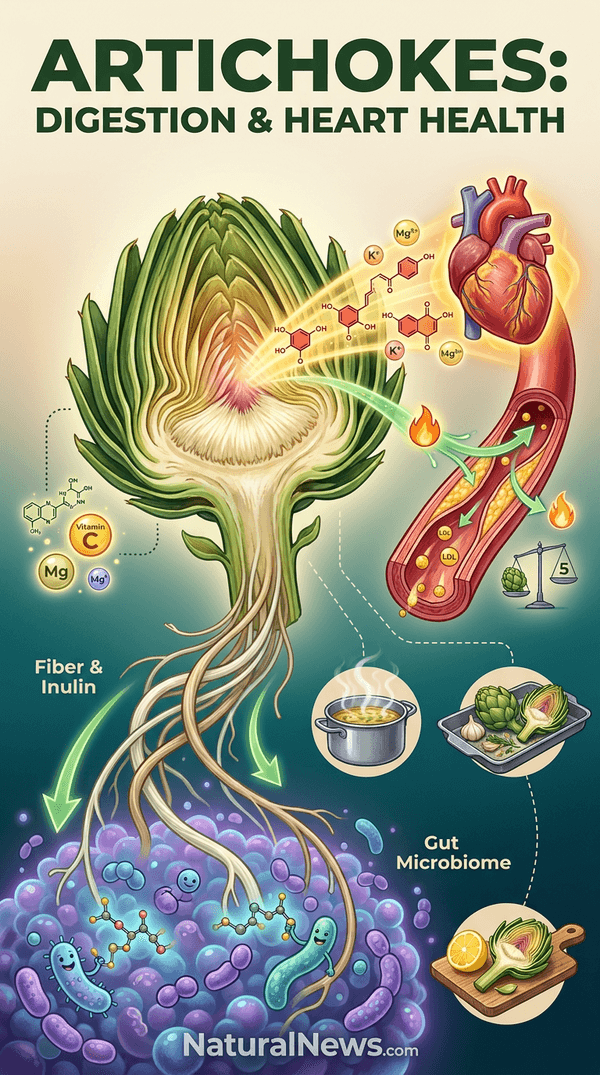
Explainer Infographic
Submit a correction >>
Tagged Under:
antioxidants, artichokes, digestion, fiber, folate, food is medicine, food science, Fresh, gastrointestinal function, gut health, gut microbiome, health science, Heart, heart disease, ingredients, Inulin, Magnesium, natural health, nutrients, phytonutrients, potassium, reverse heart disease, veggie
This article may contain statements that reflect the opinion of the author
RECENT NEWS & ARTICLES